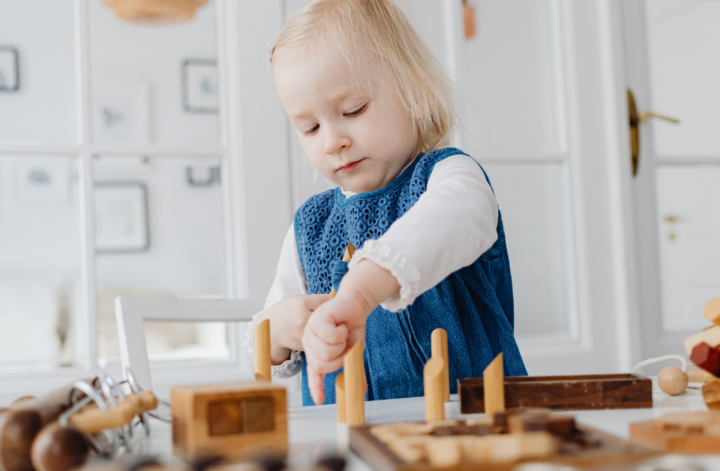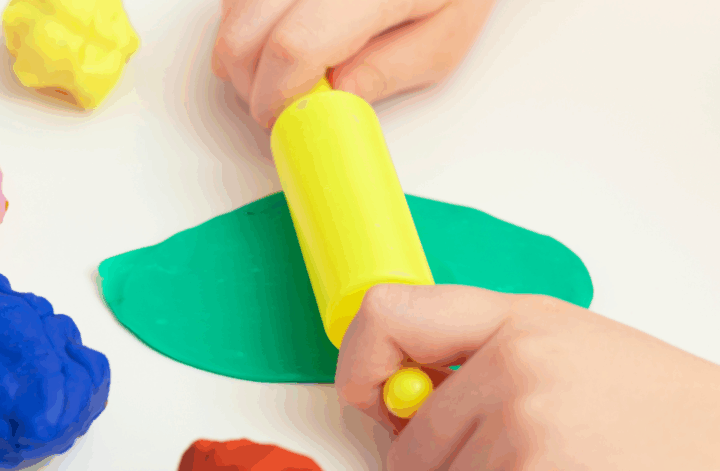
Learning through play is the idea that children learn best when they’re exploring, experimenting, imagining, and following their own curiosity — not sitting still or being drilled with worksheets.
It’s how young children naturally understand the world: by touching, trying, building, repeating, and making sense of everyday moments. When they’re playing, they’re practising real skills without even realising it.
Why Learning Through Play Matters
• It builds early maths, language, science, and problem-solving skills in a way that feels fun and stress-free.
• It strengthens focus because children stay engaged longer when they choose the activity themselves.
• It supports emotional regulation — play helps children process feelings and experiences.
• It builds confidence as they test ideas, make mistakes, and try again.
• It encourages independence and curiosity instead of pressure or perfection.
Examples of Learning Through Play
• Sorting leaves by size → early maths
• Pouring water → coordination and control
• Storytelling with toys → language and imagination
• Building towers → problem solving and persistence
• Nature walks → early science and observation skills
None of this needs fancy setups. Most learning happens in simple moments when a child is free to explore at their own pace.
Learning Through Play at Home
You don’t need special toys or a perfect routine. A few simple habits help:
• Offer choices instead of directing.
• Keep materials accessible.
• Rotate toys to support calmer focus.
• Join their play sometimes — but let them lead.
• Keep screens minimal so curiosity has room to grow.
Learning through play is a gentle approach that fits naturally into family life. It helps children grow confident, capable, and deeply curious — one small moment at a time.