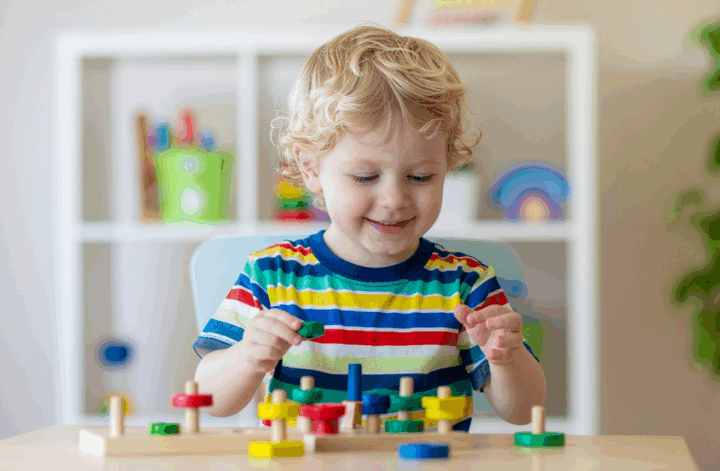
Independent play is when a child is able to play on their own for short periods of time, without needing constant direction or involvement from an adult. It doesn’t mean playing in another room or being left completely alone — it simply means the child feels safe, settled, and confident enough to explore at their own pace while you stay nearby.
For toddlers and preschoolers, independent play isn’t automatic. It’s a learned skill that develops gradually as their attention span, confidence, and emotional regulation grow.
Why Independent Play Matters
Independent play supports some of the most important early developmental skills:
1. Focus and concentration
Children stay with one activity for longer when they’re in control, which helps build early attention span and persistence.
2. Emotional regulation
Independent play helps children practise calming themselves, handling small frustrations, and feeling secure while exploring.
3. Problem-solving
When children aren’t shown exactly what to do, they experiment, make mistakes, and try new approaches on their own.
4. Confidence and autonomy
There’s a strong sense of “I did it myself” in independent play. These small wins build self-belief.
5. Creative thinking
Without adult direction, children often invent stories, try new ideas, and engage in deeper imaginative play.
Examples of Independent Play
Independent play can look incredibly simple:
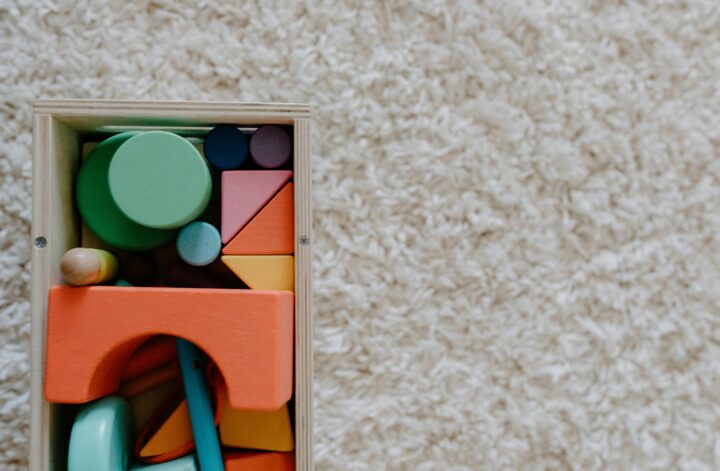
- Stacking blocks
- Drawing quietly
- Matching and sorting
- Lining up small objects
- Exploring toys on a shelf
- Looking at books
- Playing with small-world figures
- Solving simple puzzles
- Pretend play scenes
- Exploring loose parts or nature items
Most independent play lasts 2–10 minutes for toddlers, gradually increasing with practice.
Supporting Independent Play at Home
You can encourage independent play with a few simple habits:
- Start with a warm moment of connection
- Offer only a few toys at a time
- Sit nearby doing a calm task
- Avoid jumping in unless help is truly needed
- Celebrate their effort rather than outcomes
- Gradually increase the time they play on their own
It’s the consistency, not the length, that makes the difference.
Independent Play and CoBéBé
Our Forest Friends set was designed to support independent play.
The magnetic pieces, puzzle base, animal cards, and whiteboard give children simple, open-ended ways to focus, explore, and create their own stories — without needing constant direction.
It’s structured enough to feel inviting, but flexible enough for true independence.