What Is Montessori Education? A Parent’s Journey Into This Gentle Approach.
Welcome, friend. Before diving in, I want to share something honestly. When I became a parent for the first time, I had no idea what Montessori was. My partner and I were so focused on making sure we had the “essentials” — the perfect cot, a milk machine, bottle steriliser, all the things you’re told you need to keep a tiny human safe and well.
As our baby grew into a toddler, those essentials slowly disappeared into cupboards. In their place came toys. So many toys. Our living room felt messy, crowded, and yet something about it didn’t feel right. We wanted our son to be happy, but also to grow — not just surrounded by plastic lights and sounds, but with things that truly nurtured his mind and independence.
That’s when I stumbled upon the word Montessori. At first, it was just another parenting buzzword floating around Instagram. But the more I looked into it, the more it made sense. Montessori wasn’t about having the trendiest toys — it was a whole philosophy of seeing and supporting your child differently.
A Brief History of Montessori
Montessori education began over a century ago with Dr. Maria Montessori, an Italian physician who, in 1907, opened the very first Casa dei Bambini (“Children’s House”) in Rome. What she observed was profound: when children were given freedom in a thoughtfully prepared environment, they didn’t descend into chaos. They flourished.
Instead of being told what to do, they chose their activities, worked with their hands, and cared for their surroundings. Dr. Montessori realised that children are naturally curious and capable — education should support, not control, their growth.
Her ideas spread far beyond Italy. Today, Montessori schools exist in more than 140 countries, each guided by the same principles of respect, independence, and learning through experience (Montessori Education – Wikipedia).
The Core Principles of Montessori
At its heart, Montessori is less about rules and more about a mindset. A few of its guiding ideas are:
- Child-Led Learning – Children choose activities based on interest and readiness, which builds motivation and a love of learning.
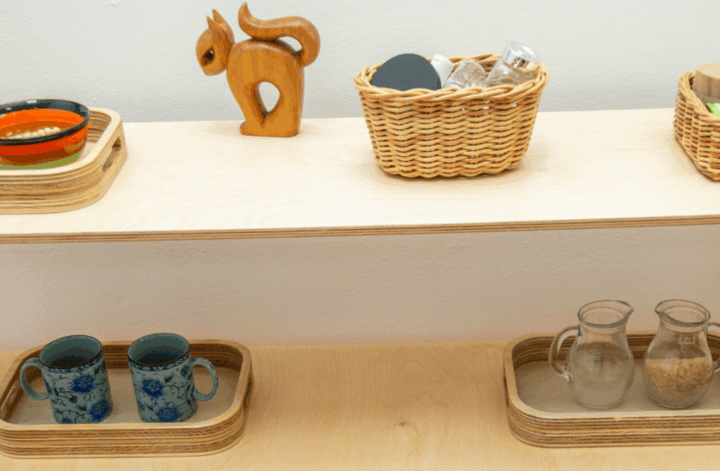
- Prepared Environment – Everything has a place, materials are inviting and accessible, and the space encourages focus and independence.
- The Role of the Teacher (or Guide) – Instead of standing at the front, Montessori teachers observe, gently introduce materials, and support each child’s pace.
- Mixed-Age Groups – Children learn with and from each other, developing empathy and leadership.
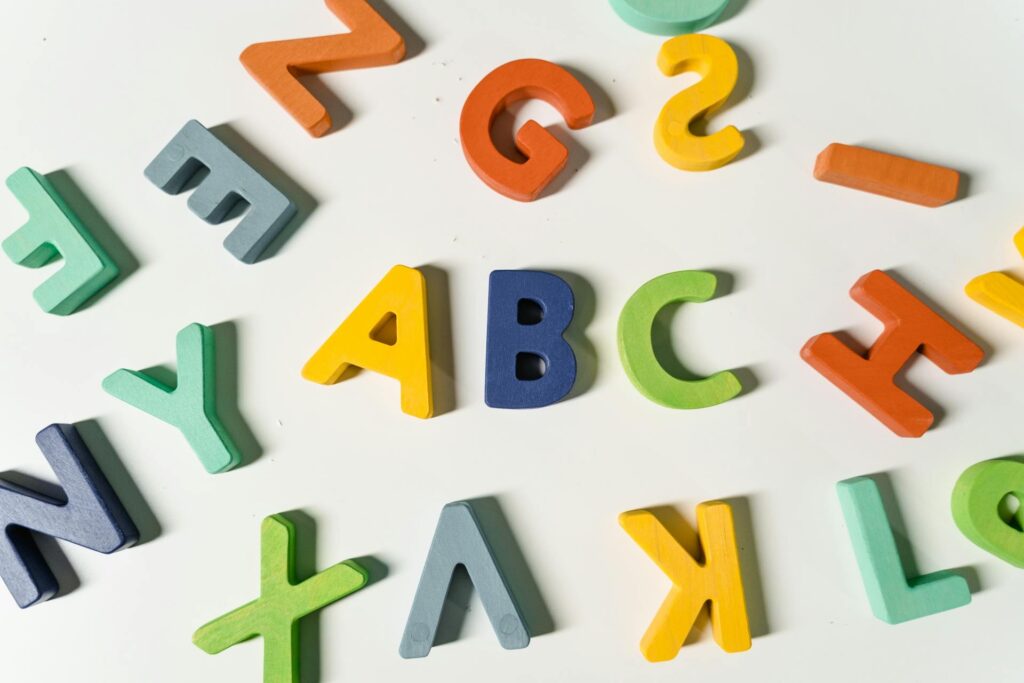
- Hands-On, Real-World Learning – Concepts like maths, science, or even grammar begin with tactile materials.
- Respect for the Child – Children are seen as capable individuals, not empty vessels to be filled.
The Benefits — Backed by Research
Many parents fall in love with Montessori because of how it feels — calmer, more respectful, more natural. But studies show it works, too.
Research published in Science found that Montessori students showed higher academic achievement, stronger social understanding, and better executive function skills than peers in traditional classrooms (Lillard & Else-Quest, 2006).
These skills — concentration, collaboration, emotional regulation — are the kind that carry children far beyond school. Montessori also nurtures independence, confidence, and creativity. Everyday tasks like cooking, cleaning, or helping others aren’t just chores — they’re woven into learning, helping children feel capable and connected (American Montessori Society).
Clearing Up Common Myths
With Montessori’s popularity, a few misconceptions have spread:
- “No rules.” Montessori has boundaries, but they’re gentle, consistent, and built around natural consequences.
- “Only for the wealthy.” While private Montessori schools can be expensive, public Montessori programs exist, and the principles can be applied at home with very little.
- “It’s just play.” Montessori activities are purposeful, with structure and routine underpinning the environment.
- “It doesn’t teach academics.” Montessori introduces reading and maths earlier than many traditional settings — through tactile, engaging materials.
Montessori in Schools and Homes
Today, Montessori education can be found in accredited schools from infancy through adolescence. Classrooms are calm, uncluttered, and full of purposeful activity.
But you don’t need a special school to embrace Montessori. At home, it might look like:
- Child-sized spaces – hooks at their height, low shelves, or a water jug they can pour from themselves.
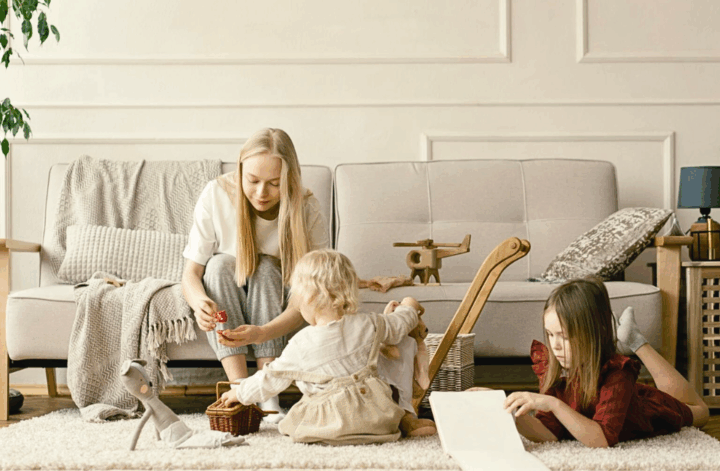
- Practical life activities – inviting your child to help cook, fold laundry, or water plants.
- Following their interests – offering books, crafts, or activities linked to what fascinates them.
- Slowing down – simply pausing to watch your child explore, noticing their concentration and joy.
- Respecting independence – letting them try, even if it takes longer or gets a little messy.
A Gentle Conclusion
For me, discovering Montessori wasn’t about overhauling everything at once. It was about shifting how I see my child: capable, curious, and deserving of an environment that nurtures those qualities.
Montessori isn’t about perfection. It’s about presence, patience, and partnership. Whether you explore a Montessori school or weave a few of its ideas into daily family life, the change can feel profound.
You don’t need to do it all — just start small. Even noticing your child’s independence, and making space for it, is already a Montessori step.
Montessori FAQs
Q: Is Montessori only for toddlers?
A: No. Montessori is designed from birth through adolescence. Schools and home practices adapt to each age.
Q: Do I need to buy expensive Montessori toys?
A: Not at all. Many Montessori activities use everyday household items. The focus is on independence, not spending.
Q: Can Montessori children still adjust to traditional schools?
A: Yes. Research shows Montessori nurtures strong social and academic skills that help in any setting.
Q: Is Montessori about letting kids do whatever they want?
A: No. Montessori offers freedom within boundaries. Children make choices, but always inside a respectful structure.
Q: Is Montessori only for wealthy families?
A: Montessori schools vary in cost, and many public and charter options exist. At home, you can apply Montessori principles without buying anything new.
Further Reading and Resources
- Key Montessori Principles Of Education – Montessori Academy
- Montessori Education – Wikipedia
- Benefits of a Montessori Education – American Montessori Society
- 10 Montessori Principles – Times Montessori
- 5 Core Components of Montessori Education – American Montessori Society