Montessori vs Traditional Toys: What’s the Difference Really?

Montessori vs Traditional Toys

In this article, you’ll learn: Why This Question Feels So Relevant Right Now It’s the first week of January. The Christmas decorations are slowly coming down, routines are trying to re-establish themselves, and the living room is still quietly crowded with new toys. Some have already been played with endlessly. Others — if we’re honest […]

Continue Reading

What Is “Fewer, Better Toys”?

fewer better toys

“Fewer, better toys” is the idea that children thrive with a small number of high-quality, meaningful toys, rather than shelves full of clutter. It’s based on the understanding that young children play deeper, calmer, and more creatively when they’re not overwhelmed by too many choices. It isn’t about owning expensive toys or creating a minimalist […]

Continue Reading

What Is Nature Play?

nature play

Nature play is any kind of play where children explore natural materials, outdoor spaces, or elements from the natural world. It can be as simple as collecting leaves in the garden, digging in soil, watching insects, or sorting stones. The goal isn’t to create structured activities — it’s to let children learn through curiosity, movement, […]

Continue Reading

What Are Activity Trays?

activity trays

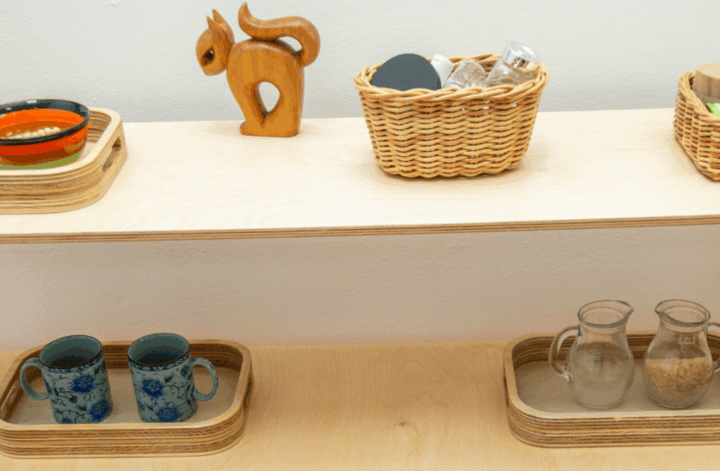
Activity trays are a simple Montessori-inspired way of setting up play or learning activities so your child can use them independently. Each tray contains one activity, with all the materials needed in one place, laid out clearly and neatly. The purpose of an activity tray isn’t to make things look perfect — it’s to make […]

Continue Reading

What Is Toy Rotation?

toy rotation

Toy rotation is a simple way of keeping your child’s play space calm, inviting, and focused. Instead of having every toy out at once, you keep most items stored away and only offer a small selection at a time. Every week (or whenever interest drops), you “rotate” the toys by swapping them for a fresh […]

Continue Reading

What Is Open-Ended Play?

open ended play

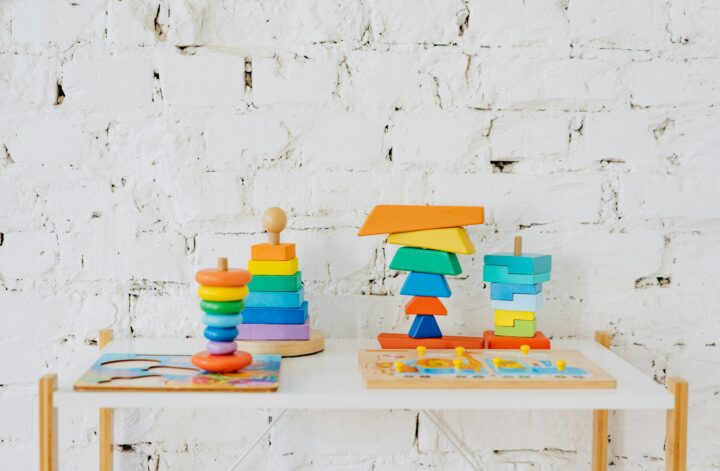
Open-ended play is play with no fixed outcome, no right or wrong way to do things, and no single “correct” result. It gives children the freedom to explore, experiment, and create using their own ideas — not instructions. In open-ended play, the child decides how something is used. A wooden animal can become a character, […]

Continue Reading