
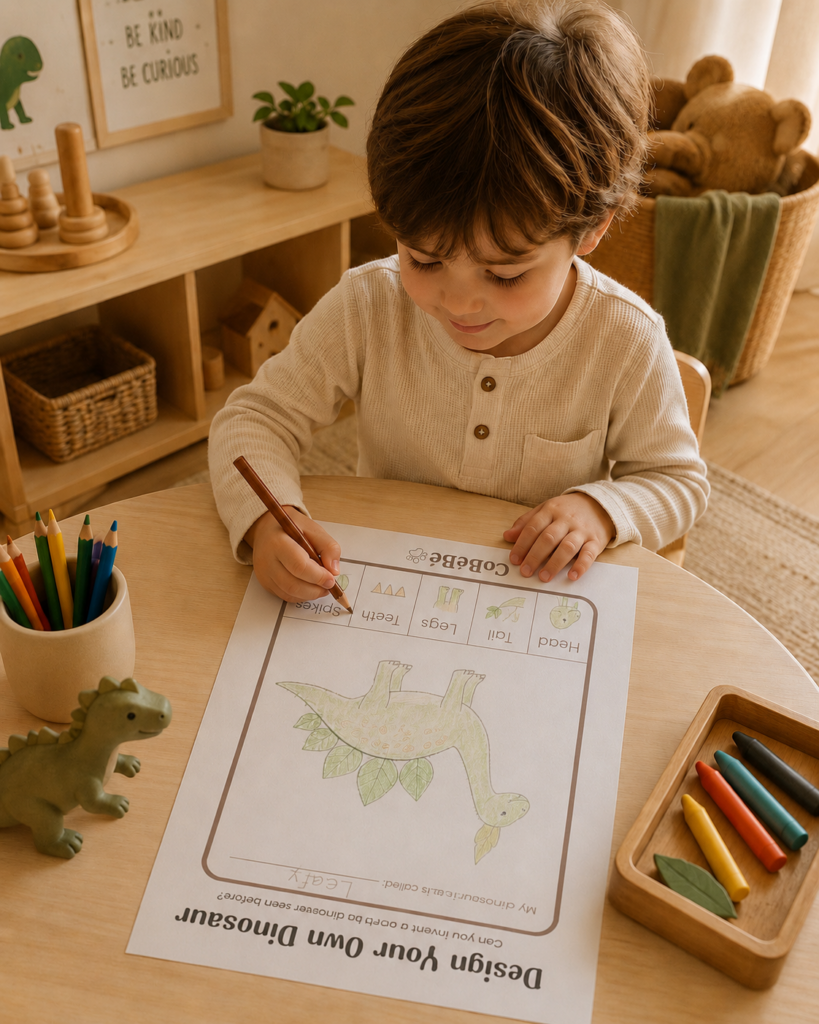
What you’ll learn in this article
- How long 4‑year‑olds can focus. You’ll learn about typical a attention span for 4‑year‑olds based on current research and why these ranges vary .
- Factors that influence attention. Discover the roles of sleep, interest level, routine, environment and underlying conditions in determining how well a preschooler pays attention .
- Ways to support a 4‑year‑old’s attention span. This article offers research‑supported activities and strategies, plus links to free printables and resources you can use at home or in the classroom .
Why attention matters at four
Attention is part of a group of skills known as executive functions—abilities that allow children to focus on tasks, control impulses and remember instructions. These skills underpin successful play, early learning and social interaction. When children reach four years of age they often take part in preschool or reception‑class activities, and this period marks a rapid shift in how long they can stay focused. While many parents worry that their child’s attention span seems fleeting, it’s important to understand what is developmentally appropriate and how widely normal ranges vary.
Researchers have long noted that a child’s attention span increases steadily with age. Cognitive scientists sometimes use a simple formula—two to three minutes of focus per year of age—but this is only a rough guide. Recent developmental literature and clinical practice show that most 4‑year‑olds can focus for about 8–12 minutes on a structured activity. Some sources suggest a slightly wider range of 10–15 minutes when the child is interested and engaged . These are typical ranges; it’s perfectly normal for a child to pay attention for less time or longer depending on the task, mood and environment.
Typical attention span for 4‑year‑olds: what the research says
It may surprise you how much variation there is in the literature on child attention spans. Clinical practice guidelines compiled by child development clinics often state that preschoolers can maintain attention for about 8–12 minutes. Similarly, the Child Neurology & Learning Development Center explains that four‑year‑olds typically focus for 8–12 minutes when they are engaged in an age‑appropriate activity.
Educators in early‑years settings report that the attention span of 4‑year‑olds often stretches slightly further, especially during interactive or hands‑on experiences. A preschool teaching resource from First School, updated in 2026, notes that by age four focus often improves to around 10–15 minutes . This reflects real‑world observations: some children remain engaged for longer periods when tasks align with their interests, while others may need frequent breaks.
The takeaway? Attention span is a range. A child might concentrate on building a block tower for 15 minutes and then switch activities every two minutes during a craft project. Both patterns can be normal, especially if the child is healthy and happy. What matters is that the child can remain engaged for an age‑appropriate period when motivated and that they gradually develop the ability to sustain focus across varied contexts.
When shorter attention may be typical
Certain tasks naturally elicit shorter spans of focus. Unstructured play, pretend scenarios and free exploration often involve rapid shifting of attention; this is a healthy sign of curiosity and experimentation . Young children also have developing impulse control and working memory, so they may abandon tasks quickly if they become bored or frustrated.
Conversely, tasks that are interactive, hands‑on or personally meaningful can stretch a preschooler’s attention. Reading a picture book together, building with blocks or helping prepare lunch may hold their focus longer. It’s important for caregivers to observe patterns rather than fixate on a specific number of minutes. If a child focuses well on preferred activities but seems distracted during unfamiliar or less interesting tasks, this is usually normal .
What influences a 4‑year‑old’s attention span?
Understanding the factors that shape attention can help caregivers tailor strategies to support their child. Evidence‑based sources highlight several key influences:
- Age and developmental stage. Attention naturally increases with brain growth. Executive function skills like inhibition and working memory develop rapidly between ages four and six .
- Interest and motivation. Children focus longer on activities they enjoy or find meaningful . Novelty or intrinsic motivation boosts sustained focus, whereas repetitive tasks may shorten it.
- Sleep, nutrition and routines. Well‑rested, well‑fed children typically concentrate better . Irregular routines or inadequate sleep can lead to shorter attention spans and more frustration.
- Environment and sensory load. Too much noise, clutter or screen stimulation makes it difficult for children to tune in . Calm, organized spaces promote longer periods of engagement.
- Emotional state. Stress, anxiety or transitions (such as moving from playtime to mealtime) can reduce attention . Supporting emotional regulation and providing clear expectations help children stay focused.
- Underlying conditions. Developmental differences such as ADHD, sensory processing disorder or language delays can affect attention. Some children may need more support and evaluation. The Blue Bird Day therapy centre notes that attention span can vary widely due to underlying conditions and that some preschoolers may have difficulty focusing even when an activity is interesting . If attention difficulties persist across settings, consult professionals.
Signs that may warrant further evaluation
Short attention spans are usually normal at four, but certain patterns can indicate the need for assessment:
- Persistent difficulties focusing across settings (home, school, playgroups) and on varied activities .
- Trouble following simple instructions consistently, especially when instructions are clear and age‑appropriate .
- Frequent frustration, impulsivity or behavioural challenges during tasks—even when the activity is enjoyable .
These signs do not necessarily mean a child has ADHD or a similar condition. They simply signal that extra support could be helpful. Early evaluation by a paediatrician, speech–language therapist or occupational therapist can provide guidance and rule out underlying issues .
Strategies to support and extend attention span for 4‑year‑olds
Research‑based tips can help children gradually increase their attention spans while honouring their developmental needs. Here are some evidence‑backed strategies:
1. Set age‑appropriate expectations
Understand that focus grows in small increments. A typical 4‑year‑old may concentrate for 8–12 minutes, so plan short bursts of activity rather than expecting prolonged concentration. When expecting more sustained focus—such as during story time—break up the activity with interactive questions or movement.
2. Use play‑based, hands‑on activities
Play is the work of childhood. Puzzles, building blocks, pretend play and simple board games with short turns encourage sustained focus in a fun, pressure‑free way . Art projects (drawing, painting, clay modelling) also allow children to explore and engage their senses. Hands‑on tasks such as pouring, scooping or threading beads combine fine‑motor practice with concentration.
3. Incorporate movement and sensory breaks
Preschoolers need to move. Short movement breaks between seated activities help reset attention and reduce restlessness. The First School resource recommends outdoor play, music, dancing, obstacle courses and action songs to alternate movement with calm focus . For some children, heavy‑work activities like pushing a laundry basket or carrying books provide sensory input that makes it easier to focus afterwards.
4. Build routines and transitions
Predictable routines help children feel secure and ready to engage. Use visual schedules or simple verbal reminders to signal what comes next. Giving a five‑minute warning before transitioning from play to mealtime reduces meltdowns. Keeping the environment organized and consistent—especially for learning or homework time—minimizes distractions .
5. Foster emotional regulation
Emotional state profoundly affects attention. Provide calm reassurance and help children label their feelings. Use deep‑breathing games, cosy corners or soft music to help them settle after a busy activity. Positive reinforcement and gentle encouragement build confidence. If frustration arises during a task, model problem‑solving and break the task into smaller steps rather than pressuring them to finish.
6. Limit distractions and screen time
Excessive screen exposure or a cluttered environment can overwhelm a young child’s attention system . Create a quiet, tidy space for focused activities. Turn off background television or other devices. Use storage bins or trays to present just a few materials at a time; rotate toys to maintain novelty without overstimulation.
7. Encourage follow‑through with multi‑step tasks
As children approach school age, gradually introduce tasks that require more than one step, such as making a simple snack or tidying toys. Start with two steps and build up. A study note from Blue Bird Day suggests that structured tasks with clear beginnings and endings help children practice working memory and sustain focus longer . Provide verbal or visual cues and praise them for each step completed.
8. Use stories, songs and rhymes
Reading picture books, singing nursery rhymes and engaging in call‑and‑response songs capture a child’s attention through rhythm and narrative. Use interactive questions during reading (“What do you think happens next?”) to keep them involved. Storytelling also strengthens auditory attention and memory.
9. Provide choice and voice
Offering choices between two or three activities increases intrinsic motivation. When children feel some control, they’re more likely to invest attention. You might say, “Would you like to build a block tower or draw a dinosaur?” For tasks that must be done, allow them to decide where to sit or which tools to use.
10. Practice mindfulness activities
Short mindfulness exercises, such as blowing bubbles, observing a candle flame or noticing sounds in nature, help preschoolers learn to anchor their attention. While mindful parenting topics can be polarizing, research indicates that gentle mindfulness practices can improve self‑regulation and reduce impulsivity when adapted for young children. Use these exercises sparingly and keep them playful.
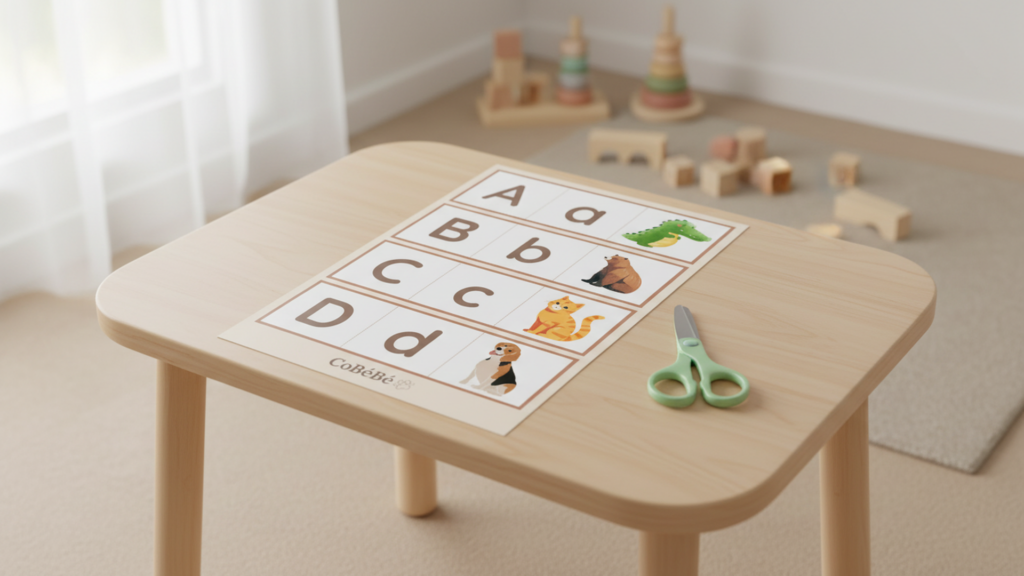
How simple play resources can support focus
Hands-on play resources can be a helpful way to support a 4-year-old’s attention span because they give children something clear, practical and purposeful to do.
At this age, focus often builds through small moments of play rather than long sit-down lessons. Things like colouring, tracing, matching, drawing, sorting, puzzles and simple hands-on activities all give children a reason to slow down, look carefully, use their hands and stay with one task for a little longer.
This is why I’ve started creating free printable activities, simple parent guides and screen-free play tools through CoBéBé. They are not meant to be complicated or perfect. They are there to give parents easy ways to invite focused play at home without needing loads of prep, noise or extra pressure.
Our free printable resources include things like learning posters, tracing sheets, colouring pages and activity packs. These can be useful because they combine fine motor practice with simple learning moments. A child might trace a letter, colour a picture, match objects, spot details, or finish a small activity from start to finish. All of that supports focus in a very natural way.
The Calm Play Guide is a more parent-focused resource. It looks at how small changes to the play environment, toy choices and daily rhythm can help children settle into deeper play. For some families, attention span is not just about the child trying harder. It is also about the space around them, how many distractions there are, and whether play feels simple enough to begin.
Forest Friends follows the same idea in a more hands-on toy format. It was designed to support screen-free play, problem solving, fine motor skills and independent moments of concentration. With animal pieces, matching, drawing and open-ended play, it gives children different ways to stay engaged without needing flashing lights or constant adult direction.
You could use these resources in a few simple ways:
Free printable activities
Use tracing sheets, posters, colouring pages or activity packs when your child needs a short, focused activity. These work well after nursery, during quiet time, before dinner, or when you want something simple that does not involve a screen.
The Calm Play Guide
Use this if you want to understand how to make play at home feel a bit easier and less scattered. It is more about the parent side of things: simplifying the space, reducing overwhelm and creating small routines that help children settle into play.
Forest Friends
Use this as a hands-on, screen-free play option for children who enjoy puzzles, animals, drawing and pretend play. It gives them something physical to explore, move, match and create with, which can help support longer moments of focused play.
None of these are a magic fix for attention span. Four-year-olds are still developing, and their focus will naturally come and go. But having a few simple resources ready can make it easier to offer activities that meet them where they are.
That is the real aim: not forcing children to concentrate for longer than they are ready for, but giving them practical, inviting ways to practise focus through play.
FAQ
What is the typical attention span for 4‑year‑olds?
Most 4‑year‑olds can focus on a structured activity for 8–12 minutes. Some may sustain attention for 10–15 minutes during interactive or highly engaging tasks . These ranges are guidelines, not rigid rules—focus varies widely depending on interest, environment and individual temperament.
How can I tell if my 4‑year‑old’s attention span is a problem?
Occasional distraction, wiggling or shifting focus is normal. You might seek professional guidance if your child consistently struggles to focus across settings (home, school, play), has trouble following simple instructions, or displays frequent frustration during age‑appropriate tasks . An evaluation can rule out underlying conditions and help you support your child’s learning.
What activities best support a 4‑year‑old’s attention span?
Play‑based and hands‑on activities are ideal. Puzzles, building blocks, pretend play, art, simple board games and outdoor movement all encourage sustained focus . Reading together and following multi‑step tasks build attention while strengthening language and executive function.
Does screen time harm attention span?
Excessive screen exposure can reduce a young child’s ability to focus . Interactive or educational content in short doses may be fine, but passive or lengthy screen time often over‑stimulates and distracts. It’s best to prioritise hands‑on, real‑world activities and use screens sparingly.
Can mindful activities improve attention?
Age‑appropriate mindfulness activities (such as blowing bubbles, noticing sounds or practicing deep breathing) can help children become more aware of their bodies and emotions. While research is ongoing, these exercises may improve self‑regulation when used playfully and briefly. Always keep mindfulness child‑centred and avoid pushing children to sit still for long periods.
Will my child “grow out” of a short attention span?
Attention skills develop throughout childhood and adolescence. With supportive environments, age‑appropriate expectations and engaging activities, most children’s ability to focus increases naturally. If concerns persist, early intervention can make a difference. Remember that a wandering mind is often a sign of curiosity and learning .
By understanding what’s typical, recognising factors that influence attention and providing playful, hands‑on experiences, you can help your 4‑year‑old build the focus they need—without pressure or unrealistic expectations. Incorporating free printables and resources from our site is a fun way to practice these skills at home.
External Sources Used In This Article
The guidance in this article was written using a mix of child development, early years, clinical and educational sources. These helped shape the typical attention span ranges, the factors that can affect focus, and the practical ideas for supporting 4-year-olds at home.
Child Neurology & Learning Development Center — How Long Should a Child’s Attention Span Be?
https://www.cnld.org/how-long-should-a-childs-attention-span-be/
Used for typical attention span ranges by age, including the common 8–12 minute range for 4-year-olds.
First School — Understanding Attention Spans in Preschoolers
https://www.firstschool.net/blog/understanding-attention-spans-in-preschoolers
Used for early years context around preschool attention span, play-based focus, movement breaks, routines, and the idea that 4-year-olds may focus for around 10–15 minutes during engaging activities.
Blue Bird Day — Honoring a Preschooler’s Attention Span
https://bluebirddayprogram.com/honoring-a-preschoolers-attention-span/
Used for practical early childhood guidance around preschool attention, realistic expectations, breaks, and choosing activities with clear beginning and end points.
Brightwheel — Fun Activities to Improve Attention and Concentration in Toddlers
https://mybrightwheel.com/blog/activities-to-improve-attention-and-concentration-in-toddlers
Used for activity ideas such as puzzles, memory games, movement breaks, simple instructions, and interest-led learning.
Expressable — Guide to Understanding Your Toddler’s Attention Span
https://www.expressable.com/learning-center/babies-and-toddlers/guide-to-understanding-your-toddlers-attention-span
Used for general guidance around young children’s attention development, when to seek support, and how structured tasks can be challenging for younger children.
Mayo Clinic — Screen Time and Children: How to Guide Your Child
https://www.mayoclinic.org/healthy-lifestyle/childrens-health/in-depth/screen-time/art-20047952
Used for guidance on screen time, high-quality programming, reducing distractions, and encouraging unplugged play.
NewYork-Presbyterian Health Matters — What Does Too Much Screen Time Do to Children’s Brains?
https://www.nyp.org/healthmatters/what-does-too-much-screen-time-do-to-childrens-brains
Used for wider context on how screen time can affect young children’s learning, sleep, language development and attention.
CDC — Milestones by 4 Years
https://www.cdc.gov/act-early/milestones/4-years.html
Used for general developmental context around what many children are doing by age four, including play, language, thinking and movement milestones.
Brain Balance — Normal Attention Span Expectations By Age
https://www.brainbalancecenters.com/blog/normal-attention-span-expectations-by-age
Used as a supporting reference for the common 2–3 minutes per year of age guideline and typical attention span ranges by age.